
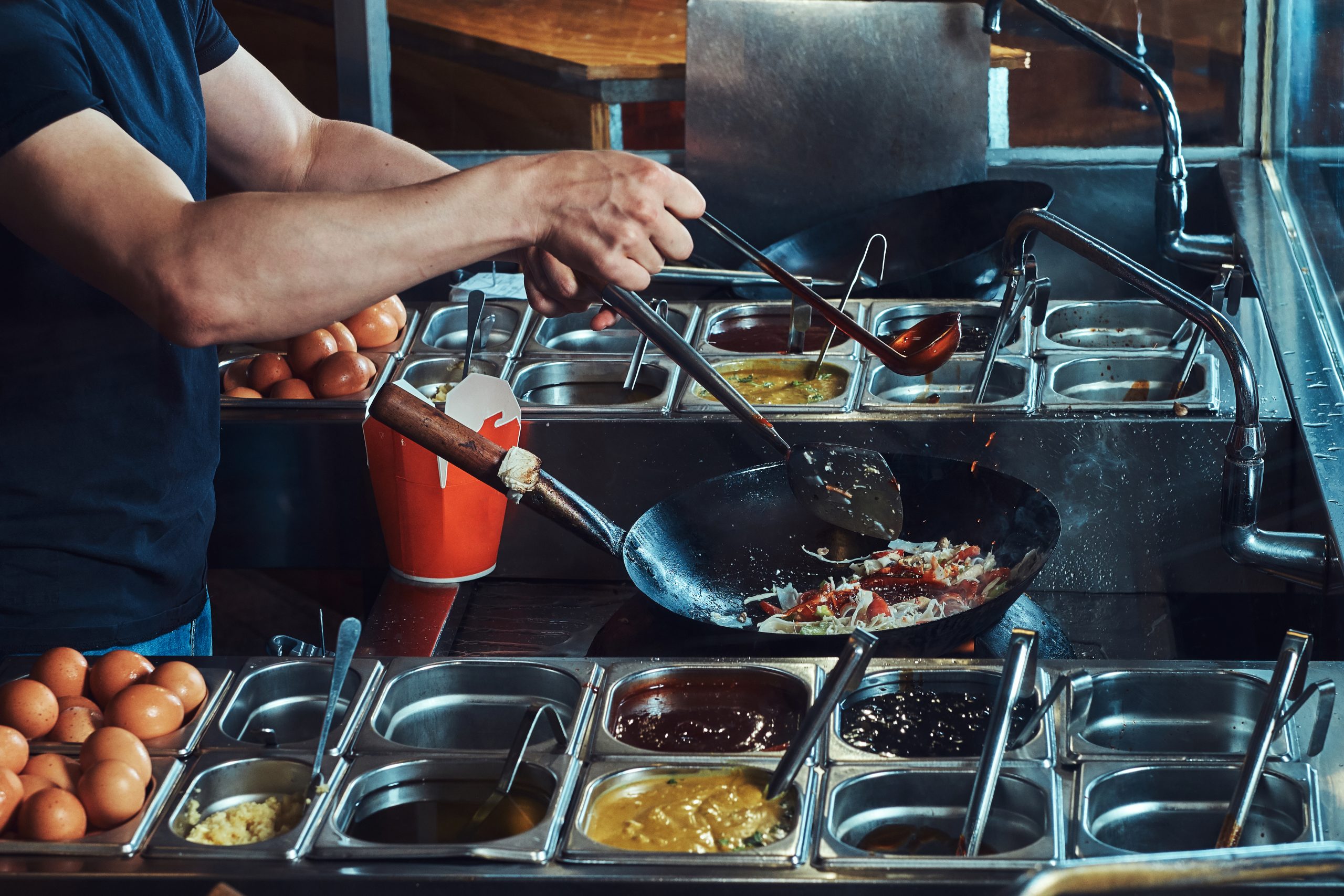
The culinary landscape in Australia is undergoing a significant transformation, moving far beyond the outdated “takeaway” stereotype. Authentic Asian cooking techniques are increasingly making their way from traditional family kitchens into modern restaurant menus, influencing everything from charcoal-grilled skewers in Sydney’s CBD to high-heat stir-fries in regional dining spots.
As diners become more discerning, they seek not only bold flavors but also the depth, smokiness, and authenticity that define Asian cuisine. This shift goes beyond recipe adaptation, reflecting a broader change in how commercial kitchens are designed and equipped, and how menus are strategically developed to deliver genuine culinary experiences.
The Rise of Heritage Techniques in Modern Dining
The “fusion” trend that dominated the 1990s has gradually given way to a stronger pursuit of hyper-authenticity, where chefs prioritize cultural integrity over blended experimentation. Instead of toning down flavors to suit broader palates, many now highlight the bold, layered taste profiles rooted in Southeast Asian, Chinese, and Japanese culinary traditions, often relying on precise techniques involving heat and metal to achieve depth and balance.
One of the most notable developments is the growing integration of traditional cooking techniques into mainstream Australian dining, particularly through the use of tools like commercial char grills.
This shift reflects a clear understanding that signature elements such as the smoky intensity of Malaysian satay or Japanese yakitori cannot be replicated with standard equipment, allowing restaurants to deliver a more immersive and authentic sensory experience for increasingly discerning, well-traveled customers.
Why Authenticity Matters to the Modern Diner
- Transparency: Diners want to know the origin of the technique, not just the ingredient.
- Texture: The contrast between a charred exterior and juicy interior.
- Complexity: The use of fermented pastes, shrimp pastes, and aromatics that require specific heat levels to unlock.
Essential Tools Powering the Asian Culinary Revolution
To achieve the elusive Wok Hei (breath of the wok) or the perfect sear, commercial kitchens are upgrading their “heavy-duty” arsenal. The innovation isn’t just in the food; it’s in the engineering of the kitchen itself.
| Equipment Type | Authentic Function | Local Menu Application |
| Chinese Woks | High-pressure stir-frying | Fusion bowls, gourmet fried rice, flash-seared greens. |
| Char Grills | Open-fire roasting | Street-food style skewers, charred octopus, smoked brisket. |
| Steamers | Gentle heat retention | Dumpling platters, delicate fish fillets, and bao buns. |
| Rice Cookers | Consistent texture | Signature bowls, sushi bases, rice puddings. |
The humble wok, specifically high-output Chinese Woks, has become a centerpiece in many open-plan kitchens. The visual theater of a chef tossing fresh ingredients over a roaring flame adds a layer of “entertainment” that justifies premium menu pricing.
Case Study: From Street Food to Fine Dining
In major hubs like Melbourne and Brisbane, a growing trend sees street food being elevated through the use of advanced equipment and premium local ingredients. Dishes once considered casual, such as a “charred wagyu skewer” inspired by Cambodian street food, are now reimagined and presented in modern bistro settings.
To achieve authentic flavor while maintaining efficiency, kitchens must replicate the intense, localized heat of traditional charcoal pits without compromising safety or speed. As a result, many establishments are turning to gas-powered char grills, which effectively simulate the smoky, high-heat characteristics of charcoal cooking in a more controlled environment.
Integrating Asian Flavors into Non-Asian Venues
You don’t need to be an “Asian Restaurant” to benefit from these innovations. Pubs and clubs are seeing success by adding:
- Shared Platters: Moving away from the “One Plate” meal toward communal dining styles common in Asia.
- Umami-Rich Sauces: Incorporating miso or gochujang into traditional gravy or glaze recipes.
- Advanced Searing: Using wok burners to give vegetables a texture that a standard stove simply can’t achieve.
Overcoming Technical Challenges in the Kitchen
Transitioning to authentic Asian cooking requires more than simply following new recipes; it demands a solid understanding of heat management and cooking techniques. Many traditional Western burners lack the high BTU output needed for proper wok cooking, resulting in food that is “stewed” instead of achieving the signature smoky, stir-fried texture often expected in authentic Asian cuisine.
Leading equipment providers, such as Atlantic Equipment, have observed a growing demand for specialized Asian cooking ranges designed for high-heat performance. These appliances not only accommodate intense cooking conditions but are also engineered to integrate seamlessly into the ergonomic workflow of Western commercial kitchens.
The Future: What’s Next for Local Menus?
As we move into 2026, the culinary focus is expected to shift toward “regionality,” where broad labels like “Chinese food” give way to more precise culinary identities such as Szechuan, Teochew, or Hokkien cuisine.
This growing specialization demands not only deeper cultural understanding but also the use of highly specific equipment, such as bamboo steamers for authentic dim sum or traditional deep-pit ovens for preparing Peking duck.
Innovation in this context is no longer about superficial adjustments, like adding soy sauce to suit local tastes, but about honoring authentic cooking methods and traditions. Restaurants that succeed will be those willing to invest in proper tools and skilled training, ensuring that the true essence of Asian cuisine is preserved and meaningfully introduced to the Australian dining scene.
Frequently asked questions
Q: What is the most important piece of equipment for authentic Asian cooking?
A: For most Southeast Asian and Chinese dishes, a high-output Wok Burner is essential. It provides the concentrated heat necessary to achieve Wok Hei, which gives the food its signature smoky flavor.
Q: Can I use a standard grill instead of a Char Grill for Asian skewers?
A: While a standard grill works, a dedicated Char Grill (especially those using lava rocks or radiant heat) better replicates the intense, smoky environment of traditional charcoal pits used in Asia.
