
By the Industry News Team
In our previous update on February 10, we discussed the “quiet before the storm” as energy heavyweights prepared for their half-year results. Today, that storm has arrived—but for the S&P/ASX 200 Energy Index (XEJ), it has brought a significant tailwind.
As of Tuesday, February 19, the Energy sector has emerged as one of the top performers on the ASX, jumping nearly 4% in a single session. While the broader market is celebrating a new record high for the ASX 200, the energy story is being driven by a combination of geopolitical volatility and robust earnings data.
1. Oil Prices: The “Iran Premium” Returns
The biggest driver for the sector today isn’t just internal earnings; it’s the global backdrop. Overnight, Brent crude oil prices spiked back toward the US$71 mark.
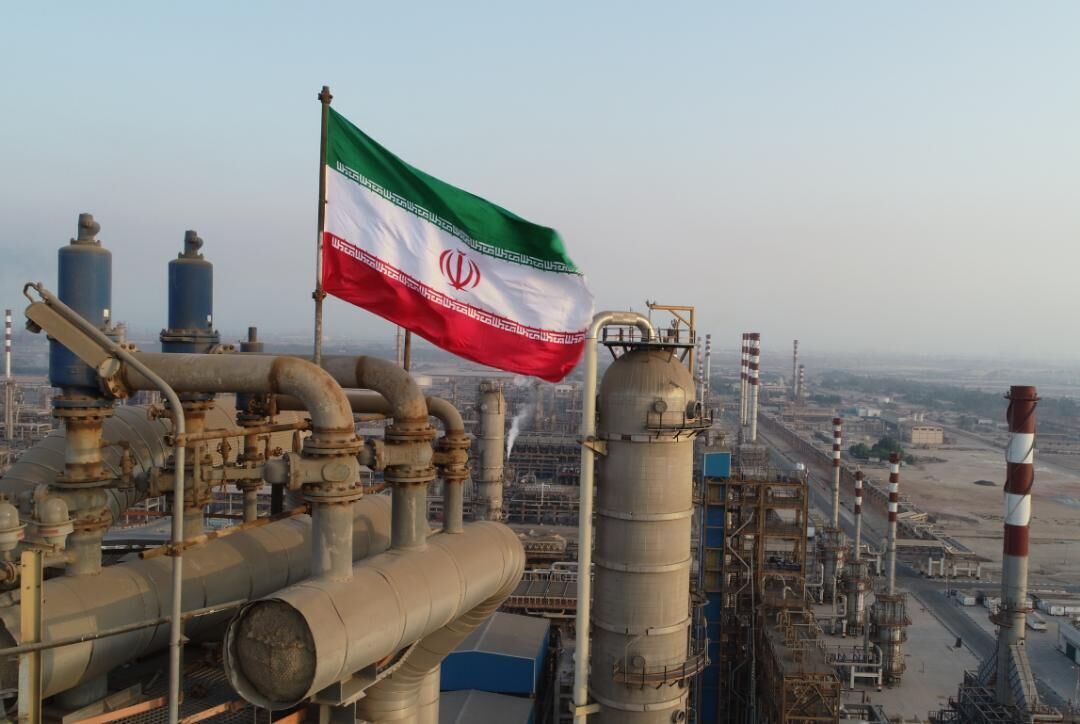
The catalyst? Reports of potential U.S. military escalations in the Middle East, specifically targeting Iranian infrastructure. This renewed geopolitical tension has immediately trickled down to the ASX-listed producers, with Woodside Energy (WDS) and Santos (STO) seeing heavy buying volume as investors hedge against supply disruptions.
2. Woodside Energy: Dividend Delight
Woodside remains the focal point of the sector this week. Following its recent full-year results, the market has finally digested the numbers:
-
Profitability: A statutory net profit after tax of US$1.3 billion.
-
Returns: Investors were particularly pleased with the 53 US cents per share interim dividend.
-
Growth: Despite the global push for decarbonization, Woodside’s management emphasized that its LNG portfolio remains the “backbone” of Asian energy security, a sentiment echoed by Japan’s renewed strategic energy agreements with Australia signed just yesterday.
3. Whitehaven Coal: Operational Excellence
Whitehaven Coal (WHC) continues to defy the “coal is dead” narrative. In its latest update, the company reported a massive 21% jump in ROM (Run of Mine) production, reaching 11 million tonnes for the quarter.
More importantly for shareholders, Whitehaven has successfully reduced its net debt by another AUD$100 million. With metallurgical coal prices showing a 9% improvement quarter-on-quarter, Whitehaven is positioned as a cash-flow machine, even as it navigates the regulatory hurdles of mine expansions in New South Wales.
4. Renewables & Storage: The Quiet Revolution
While the big miners and drillers grab the headlines, the Clean Energy Council’s Q4 2025 report (released yesterday) highlights a record-breaking surge in battery storage.
-
Home Batteries: Installations in the second half of 2025 equaled the total of the previous five years combined.
-
Large-Scale Investment: While new renewable generation projects saw a slight dip in late 2025, the sector is bracing for a massive 2026 as the “handover” from coal-fired power gains momentum.
Market Outlook: What to Watch
The Energy sector is currently in a “tug-of-war.” On one side, we have high inflation and a forecast from the EIA suggesting Brent might average lower ($58/b) across the full year of 2026. On the other side, the immediate reality of supply-chain risks and strong dividend yields is keeping the bulls in charge.
The Bottom Line: February 19 marks a turning point where “energy security” has once again trumped “energy transition” in the eyes of the market. With the XEJ index currently trading near a 52-week high of 9,498 points, the momentum is undeniably positive, but closely tied to the headlines coming out of Washington and Tehran.
