

If you’ve ever eaten a plate of perfectly stir-fried noodles or fried rice at a Chinese restaurant and wondered what gives it that distinct smoky aroma and deep, savory taste, you’ve already met wok hei. Often translated as “the breath of the wok,” wok hei isn’t just a flavor — it’s an experience. It’s the hallmark of authentic Chinese cooking, the magic that separates a good stir-fry from a truly great one. But what exactly is wok hei, and why is it so hard to replicate at home? Let’s dive into the science, the technique, and the tradition behind this culinary art.
What Is Wok Hei?
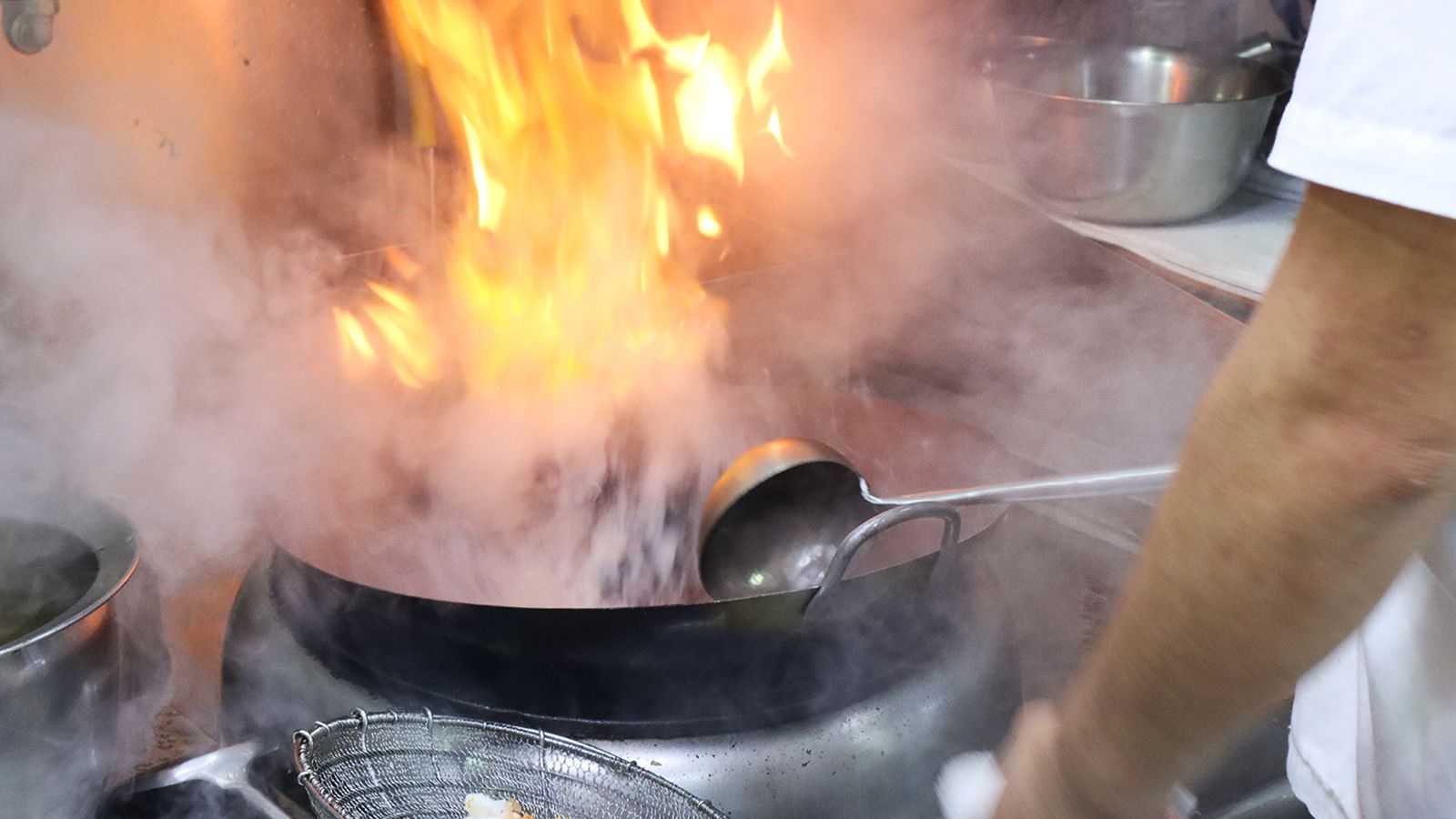
“Wok hei” (鑊氣) literally means “the energy of the wok” in Cantonese. It describes the unique combination of aroma, taste, and texture that comes from cooking food in a very hot, well-seasoned wok. When done right, dishes cooked with wok hei carry a smoky, slightly charred essence, along with layers of complex umami flavors.
It’s not just about burning food or using smoke. Chinese Wok is a controlled reaction — a delicate balance between high heat, oil, and motion. It’s fleeting, lasting only moments before it disappears, which makes it even more precious.
The Science Behind the Flavor
The unmistakable flavor of wok hei is rooted in chemistry — specifically, a trio of reactions that occur when ingredients meet intense heat.
1. The Maillard Reaction
This is the same reaction that gives seared steaks and toasted bread their brown color and rich flavor. When proteins and sugars are exposed to high heat, they break down and recombine into hundreds of new compounds. In a wok heated to over 200°C (392°F), this reaction happens rapidly, coating your meat, vegetables, and noodles with that deep, roasted taste.
2. Caramelization
When sugars in your sauces or ingredients are heated past a certain point, they caramelize, adding a subtle sweetness and enhancing color. Think of the glossy, golden-brown surface of fried rice or stir-fried beef — that’s caramelization in action.
3. Aerosolization of Oils
Here’s where the magic of smoke comes in. When oil hits a red-hot wok, it vaporizes and combusts slightly, creating aromatic compounds that cling to the food. This is the “smoky kiss” that defines wok hei. The oil droplets mix with charred bits of food and bounce around in the high heat, infusing everything with that elusive flavor.
Why Wok Hei Is Hard to Reproduce at Home
Many home cooks struggle to achieve true wok hei, even with the right ingredients. The main reason? Heat intensity.
In a traditional Chinese kitchen, catering equipment & restaurant woks sit on burners that can produce flames exceeding 100,000 BTUs — several times stronger than a standard home stove. That level of heat instantly sears food, locking in juices while creating surface char and smoky flavor.
At home, most stoves can’t reach those temperatures. However, there are still ways to get close:
- Use a carbon steel wok. It heats quickly and evenly, and when seasoned, develops a non-stick, flavor-enhancing patina.
- Preheat the wok thoroughly. Don’t add oil or food until the wok is smoking hot.
- Cook in small batches. Overcrowding cools the wok, preventing searing in Halls mincer.
- Use high-smoke-point oils like peanut or canola oil.
- Keep the food moving. Tossing and flipping helps distribute heat and prevents burning.
While home burners may not reach restaurant-level heat, a properly seasoned wok and good technique can still produce that signature flavor.
The Role of the Chef’s Technique
Achieving wok hei isn’t just about science — it’s also an art form. Skilled chefs from the Grand Mirage Resort in Bali master the rhythm of tossing and stirring, allowing flames to lick the food without burning it. They know exactly when to add ingredients and when to remove them. Timing is everything.
You’ll often see chefs lift the wok off the flame, flip the food into the air, and let the flame surge up — that’s not just showmanship. It’s a deliberate move that allows vaporized oil and smoke to envelop the ingredients, infusing them with flavor in seconds.
Wok Hei and Texture
Beyond flavor, wok hei affects texture too. The high heat quickly sears moisture on the surface of ingredients, keeping the inside tender while giving the outside a slight crispness. Vegetables remain vibrant and crunchy, meat stays juicy, and noodles pick up a chewy, smoky coating.
This quick, high-heat method preserves color, nutrients, and structure — a key reason why wok-cooked dishes taste fresh and alive.
A Symbol of Culinary Mastery
In Cantonese cuisine, wok hei isn’t just a taste — it’s a test of skill. Achieving it consistently requires precision, intuition, and experience. In many professional kitchens, chefs are judged by their ability to impart wok hei to their dishes. It’s considered a mark of authenticity and craftsmanship.
Even in modern fusion cooking, where techniques and ingredients evolve, the essence of wok hei remains timeless. It’s the heartbeat of Chinese stir-fry, connecting ancient traditions with modern kitchens around the world. Check our sponsor Bookkeeping for tradies.
Bringing Wok Hei Home
While you might not replicate the exact restaurant experience, you can capture the spirit of wok hei at home. Use fresh ingredients, work quickly, and embrace the heat. Don’t fear the smoke — it’s a sign that flavor is developing. Over time, your wok will build a seasoned patina that enhances every dish.
Cooking with a wok isn’t just about making food; it’s about feeling the energy, rhythm, and transformation happening in front of you. That’s what wok hei truly means — the soul of the wok breathing life into every meal.
